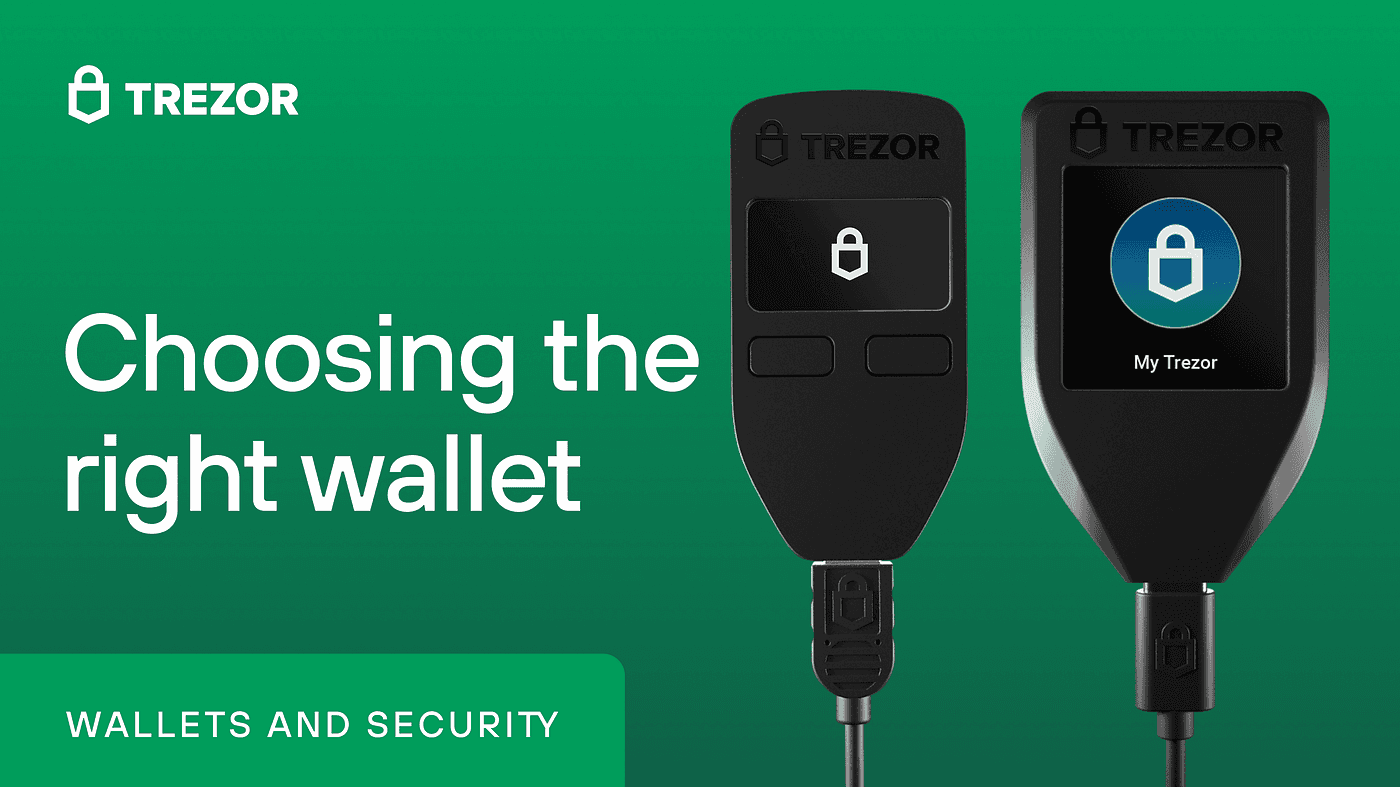
🔒 The Ultimate Digital Vault: A Deep Dive into the Trezor Hardware Wallet
In the fast-paced world of cryptocurrency, where a new security breach seems to make headlines every month, the age-old saying rings truer than ever: "Not your keys, not your crypto."
For anyone serious about digital asset self-custody, a hardware wallet is no longer a luxury—it's a necessity. And at the forefront of this security revolution is Trezor, the pioneering device that introduced the world to the concept of the cold wallet.
What Exactly is a Trezor Hardware Wallet?
A Trezor is a small, purpose-built electronic device designed to securely store the private keys to your cryptocurrency offline. Think of your private key as the master password to your funds. If a hacker or piece of malware gets access to it, your assets are gone.
Trezor's innovation lies in its simplicity: it isolates your private keys from any device that is connected to the internet, creating an "air gap" of security. This is often referred to as cold storage.
When you want to send crypto, the transaction details are sent to the Trezor, which then uses the private key inside the isolated device to cryptographically sign the transaction. The private key itself never leaves the Trezor. Once signed, the transaction is sent back to your computer to be broadcast to the blockchain network. This ingenious process ensures that even if your computer is riddled with malware, your funds remain safe.
The Trezor Security Model: Open-Source and Ironclad
Trezor's reputation as a "fortress" for digital assets is built on several key security pillars:
Offline Private Key Isolation: As described above, the core function is to keep the most critical data—your private keys—off the internet and away from online threats like phishing and keyloggers.
Physical Confirmation: Every outgoing transaction must be physically verified and confirmed by pressing buttons (Trezor Model One, Trezor Safe 3) or tapping the screen (Trezor Model T, Trezor Safe 5) on the device itself. This prevents remote hackers from authorizing a transfer.
Open-Source Transparency: Unlike some competitors with closed-source firmware, Trezor's software and hardware designs are open-source. This means the entire global security community can inspect the code, audit it for vulnerabilities, and verify its integrity. This community scrutiny is a powerful form of defense.
PIN Protection & Passphrase (Hidden Wallet): Access to the device is protected by a PIN. For advanced security, Trezor allows you to add an extra layer of protection called a passphrase. The passphrase creates a "hidden wallet" that is completely separate from the one accessed by the PIN alone. This is an excellent defense against "evil maid" attacks or physical coercion, as you can divert attention to a wallet with a small balance.
Secure Element (Newer Models): Models like the Trezor Safe 3 and Safe 5 introduced a certified Secure Element (a dedicated, tamper-resistant chip) to further shield the private keys from sophisticated physical attacks.
Backup and Recovery: Your Safety Net
If your Trezor device is lost, stolen, or damaged, your crypto is not lost. When you first set up your Trezor, you are given a Recovery Seed—a list of 12, 20, or 24 words (following the BIP-39 standard).
This seed is the ultimate backup of your entire wallet.
It is crucial that you write this down and store it securely offline (preferably etched into metal, as paper is vulnerable to fire and water). You can use this recovery seed to restore your funds on any new Trezor device or another compatible hardware or software wallet. Trezor also offers advanced features like Shamir Backup (available on the Model T and newer models), which splits your recovery seed into multiple unique shares, offering a more robust and flexible recovery plan.
Trezor Models: Finding Your Fit
Trezor has a diverse product line to suit various security needs and budgets:
ModelKey FeaturePrice (Approx.)Ideal ForTrezor Model OneOriginal, reliable security with two-button navigation.$59Beginners and budget-conscious long-term holders.Trezor Safe 3Latest entry-level with a Secure Element (EAL6+) chip.$79Users prioritizing modern security on a budget.Trezor Model TFull-color touchscreen for on-device PIN/Passphrase entry.$129Users who value convenience and a more intuitive interface.Trezor Safe 5Premium design, large color display, and enhanced security.$169Advanced users and long-term investors with diverse portfolios.
The company's primary interface, Trezor Suite, offers a user-friendly way to manage your portfolio, send/receive funds, and even buy, sell, and exchange crypto directly from your desktop or web browser, all while your private keys remain secured on the device.
The Verdict
For anyone serious about owning their digital future, a Trezor hardware wallet is a non-negotiable component of a secure crypto strategy. It is the gold standard for self-custody, removing the risk associated with leaving funds on centralized exchanges or vulnerable software wallets.
By combining military-grade offline protection, transparent open-source code, and an easy-to-use interface, Trezor empowers you to truly become your own bank. In the end, protecting your private keys is the most important step you can take to secure your digital wealth.